Summary
This piece breaks down what’s genuinely shifting in Indian HR departments right now - not another recycled trend list. We’ll get into why this particular year matters, ten changes worth tracking, how the old way of doing HR stacks up against where things are headed, what you actually gain by moving early, a quick self-check, and the mistakes companies keep repeating along the way.
Here’s something that catches a lot of founders off guard: your revenue chart can be pointing straight up while, quietly, three of your best people are already halfway out the door. Nobody in finance flags that for you. It usually shows up in HR, in the stuff nobody got around to fixing since roughly 2019.
If you are really in HR or you are wearing one of the six hats founders wear, 2026 is not the year to shrug this off. Let’s look at what’s really different, why it’s important, and how you can tell if your own environment is keeping pace or slowly falling behind.
What Do We Even Mean by “HR Trends” This Year?
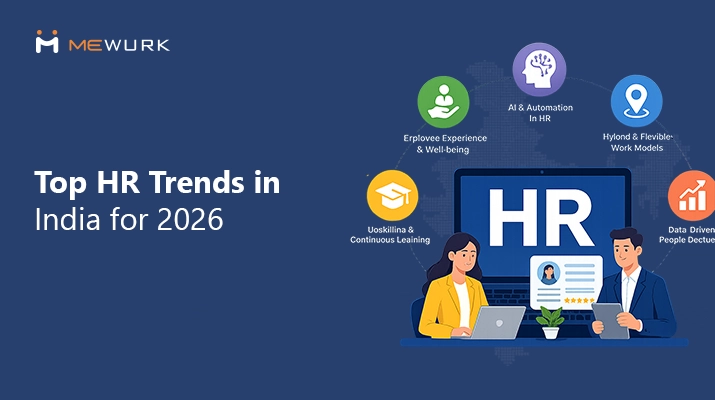
Ask ten people what ‘HR trends’ means and you’ll receive ten vague answers on AI and flexibility. Here’s the more useful version: it’s the specific, practical changes in how Indian companies hire, pay, support, and retain people this year. Three things are colliding at once - AI quietly taking over the boring parts of HR, a brand-new set of labour codes rewriting how payroll has to work, and a workforce that expects roughly the same ease from an employer that it gets from a food delivery app.
None of this stays theoretical for long. It shows up in how fast you can fill a role, whether payroll runs clean at month-end, and how much of an HR manager’s actual day gets eaten by paperwork instead of people.
Maybe the simplest way to put it is: HR used to mean onboarding folders and leave approvals. Now it means reading workforce data, staying ahead of four overlapping labour codes, and building an employee experience good enough to compete with a consumer app - often with the same headcount you had two years ago.
Why This Particular Year Feels Different
A handful of numbers explain why 2026 isn’t just another “watch these trends” listicle.
- Gen Z now makes up the largest slice of the working population, and what they expect in terms of flexibility, pay transparency, and purpose is starting to set the tone for everyone else, too - not just the newest hires.
- The four new Labour Codes are live, and the wage code provision in particular - the one requiring at least half of CTC to count as basic pay - is forcing many companies to rebuild salary structures they hadn’t touched in years.
- Gig and platform work keep expanding - quick-commerce riders, freelance developers, ride-hailing drivers - and the proposed Social Security Code wants aggregators to actually contribute to a welfare fund for this group.
- A good chunk of employers say they’re planning to automate admin-heavy HR roles this year. Recruiters spending their whole day screening resumes and chasing documents? That’s exactly the work landing on AI’s desk.
- Churn in demanding, high-turnover roles keeps eating into HR bandwidth, since every resignation resets onboarding, paperwork, and training costs to zero.
Add it up: an HR setup that’s still manual, still filtering candidates by degree, still concentrated in one metro city is going to feel the squeeze first - and it’ll show up in attrition numbers well before it shows up on anyone’s slide deck.
The Ten Things Actually Worth Tracking in 2026
1. AI Is Doing Real Work Now, Not Just Answering FAQs
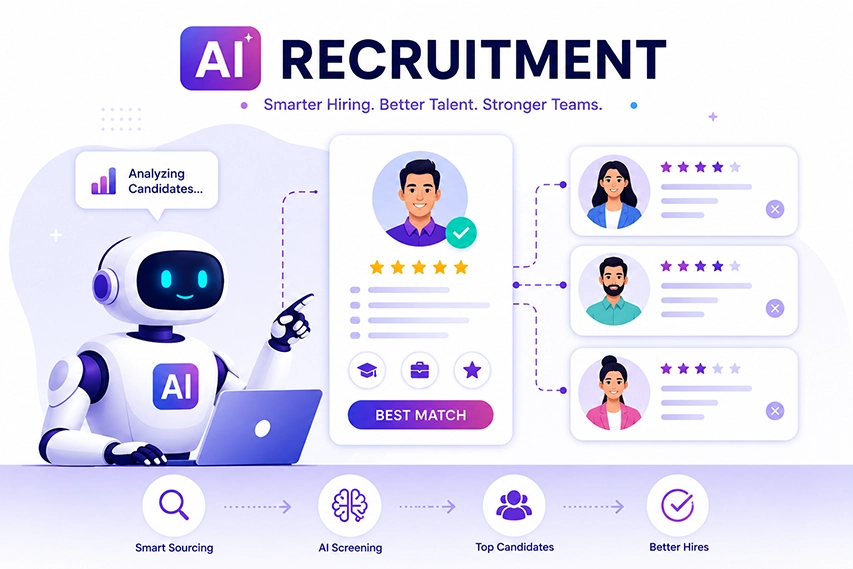
The AI conversation in HR has moved past “we have a chatbot for leave questions.” These days, it’s screening resumes, scheduling interviews, pulling documents off DigiLocker, and flagging who might quit before they’ve said a word about it. None of this is really about replacing your HR team - it’s about getting them out of coordination-loop hell so they can actually make decisions instead of chasing calendars all day.
2. Skills Are Starting to Beat Degrees
A candidate with a solid portfolio and a Google certificate is increasingly winning over someone with a degree from a name-brand college, especially in tech, marketing, and finance roles. Makes sense, honestly - a technical skill’s shelf life has dropped to something like two and a half years, so what matters now is what someone can actually do, not where they studied. The catch is you need a real system to verify these credentials, or the whole approach falls apart the moment onboarding starts.
3. The Four Labour Codes Are Rewriting Payroll
Companies are rebuilding CTC structures from scratch due to the new wage definition, re-evaluating how overtime and leave are calculated, and tightening documentation that was previously fairly loose. If your payroll team is still reconciling PF, ESIC, and TDS by hand in a spreadsheet every month, you’re the one most exposed once this actually gets enforced properly - it’s exactly the kind of thing a platform like Mewurk is built to handle automatically instead of leaving it to a month-end scramble.
4. Gig Workers Need Real HR Attention Now
Freelancers, delivery partners, platform workers - this slice of the workforce keeps growing, particularly across logistics, quick commerce, and IT. HR teams now have to figure out how to extend some baseline protections to this group without accidentally reclassifying them as full-time staff, which is a legal headache nobody’s in a hurry to deal with.
5. Wellbeing Means Something Different Now
There’s a phrase going around - quiet contribution - for employees who aren’t visibly burnt out but also aren’t quite there anymore, if that makes sense. Wellbeing in 2026 isn’t a PDF buried in the employee handbook. It’s whether people genuinely feel respected day to day, which honestly has more to do with how their manager behaves than what HR writes in a policy document.
6. Tier-2 Cities Are Becoming Real Talent Hubs
Between hybrid work, improving infrastructure, and metro hiring costs getting a bit silly, companies are building real talent pipelines in cities like Indore, Jaipur, and Coimbatore. Senior-level pay in some of these cities is now close enough to metro numbers that they’re turning into genuine leadership markets - not just where you park the back office anymore.
7. Employees Expect Everything From Their Phone
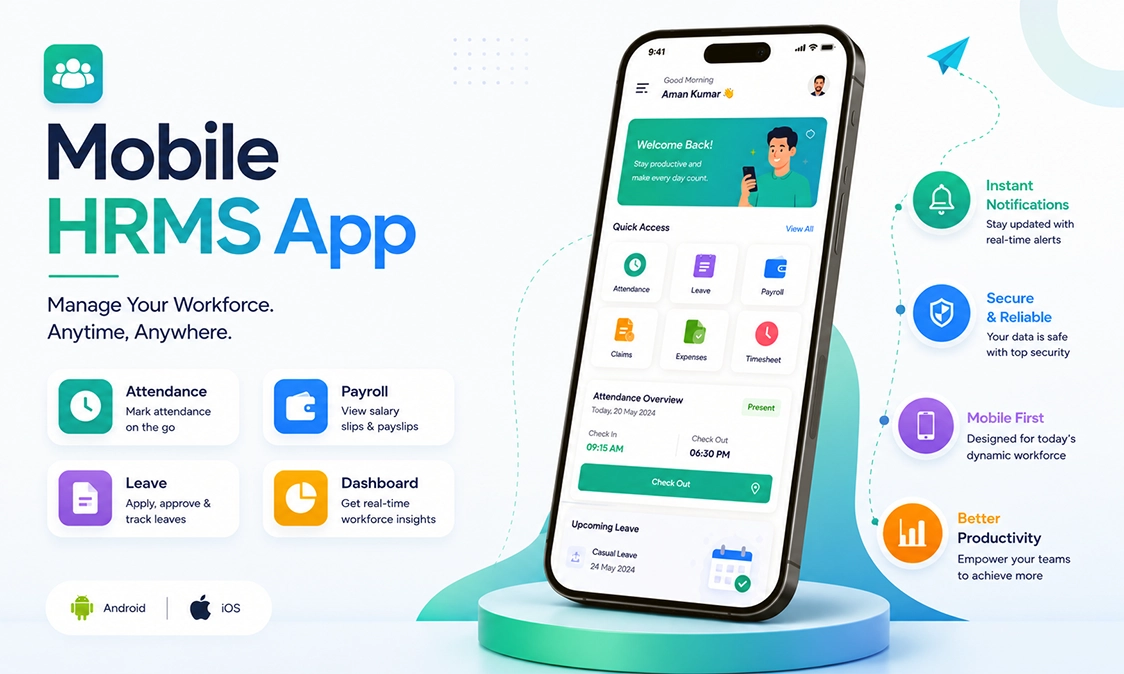
Checking a payslip, applying for leave, marking attendance in a management system - people want to do all of it the way they’d order dinner. Nobody wants to email HR for something this basic anymore. Skip decent mobile self-service, especially for field staff, and you’ll feel that adoption gap fast - it’s one of the quieter reasons more companies are moving to apps like Mewurk instead of building this in-house from scratch.
8. Pay Is Getting More Transparent, Ready or Not
Compensation benchmarking is being split by city and role instead of using a single flat national number, and employees are comparing notes with each other far more openly than they used to. That’s nudging companies toward clearer pay structures, whether leadership is fully comfortable with it or not.
9. DEIB Is Being Measured, Not Just Talked About
Diversity and inclusion work is moving away from mission-statement language toward actual tracked numbers - bias checks built into hiring, pay audits, and a broader definition of diversity that now includes things like neurodivergence and age, not just gender ratios.
10. HR Analytics Is Getting Predictive
Instead of just reporting what already happened last quarter, HR analytics is starting to flag what’s likely to happen next - who’s at risk of quitting, where burnout is quietly building. That only works, though, if attendance, performance, and engagement data actually sit in one place instead of six spreadsheets nobody updates consistently, which is the whole point of running everything through one system like Mewurk rather than several.
Old-School HR vs Where Things Are Headed
| Area | What It Used to Look Like | What It Looks Like Now |
|---|---|---|
| Hiring | Mostly about the college name | Mostly about what you can actually do |
| Payroll | Hours in Excel every month | Runs itself, compliant by design |
| Who counts as workforce | Just the people on the payroll | Payroll plus gig and platform workers |
| Reaching HR | Emails, calls, waiting around | An app, done in two minutes |
| Wellbeing | A page in the handbook nobody reads | Real check-ins tied to actual workload |
| Decisions | Gut feeling, once-a-year reviews | Data is checked far more than once a year |
| Where do you hire from | Basically, just the metro | Tier-2 cities too, seriously |
You can probably already tell which side of that table costs more sleep.
What You Actually Gain by Moving Early
Snapshot: “Quick reality check: companies that get ahead of this stuff tend to see payroll run faster, fewer compliance scares, and attrition numbers that noticeably improve within about a year”.
- Payroll stops eating your finance team’s first week of every month once attendance and statutory calculations basically run themselves.
- Compliance risk under the new labour codes drops significantly when CTC and paperwork are built right from the start, rather than being patched together after an audit flags an issue.
- Retention in your hardest-to-fill roles actually improves - it turns out people care more about growth and fair treatment than a slightly higher number on the offer letter, which surprises many leadership teams.
- Your HR folks stop losing entire days to admin busywork once AI handles scheduling and document checks, and they get that time back for real planning.
- Leadership finally gets workforce numbers they can trust, instead of a headcount slide someone threw together the night before the board meeting.
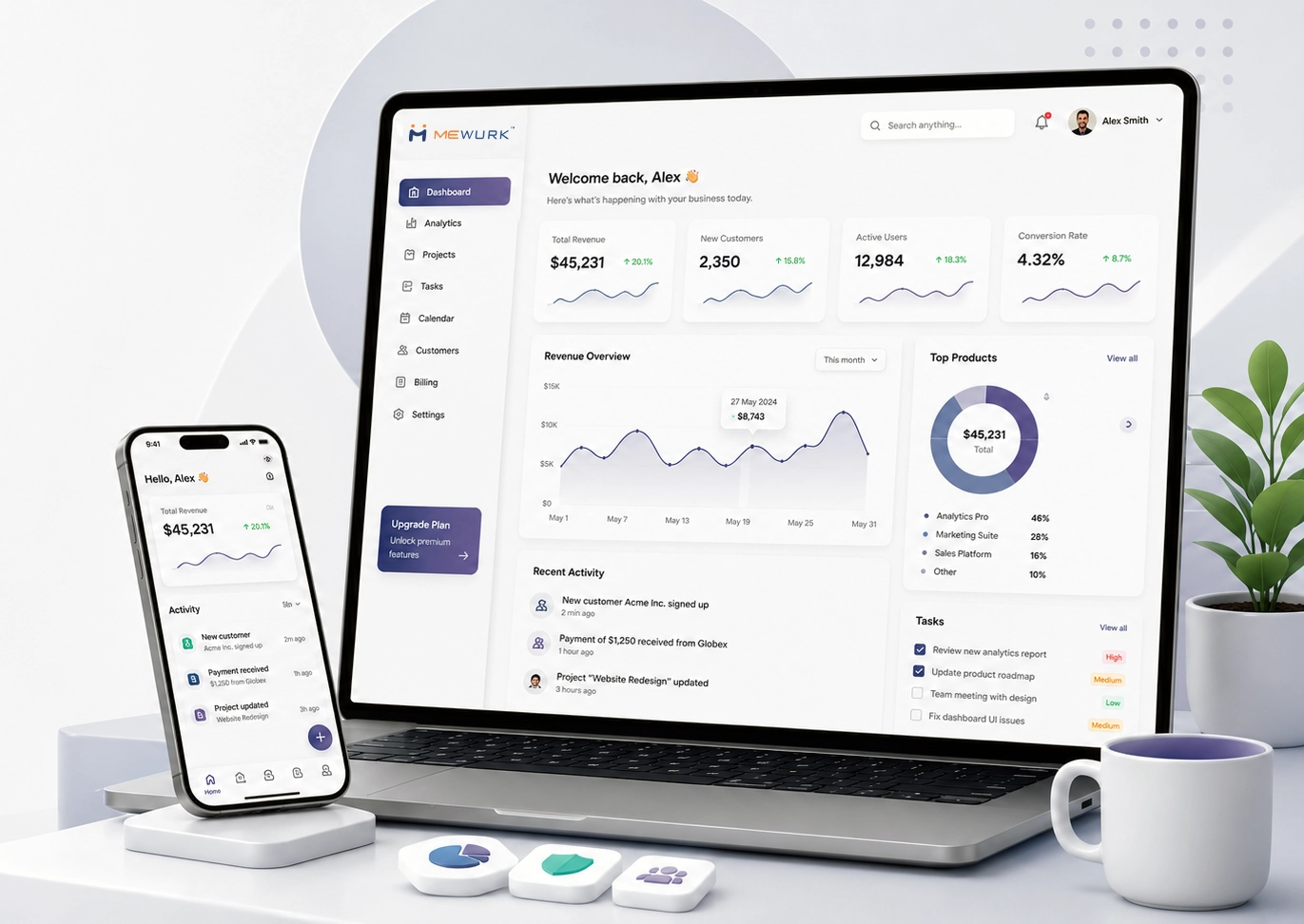
A lot of Indian companies are done juggling five separate tools for attendance, payroll, leave, and hiring - they’re just putting it all under one roof now. That’s more or less what Mewurk does: attendance, shift planning, payroll, leave management system and even AI-assisted interviewing - all in one place so your HR team isn’t piecing together five different logins just to keep up with all that’s happening this year.
A Quick Self-Check for 2026
Worth running through this before assuming your current setup is fine as-is.
- Has your CTC structure actually been rebuilt around the new wage code, or is it still the old allowance-heavy version from a few years back?
- Do you use payroll software to calculate PF, ESIC, and TDS on its own, or is someone still exporting to Excel every month?
- Can employees pull up leave, attendance, and payslips from their phones, or are they still emailing HR for that?
- If you work with freelancers or gig workers, do you actually have a process for their paperwork and the new Social Security requirements?
- Could HR pull together an audit-ready compliance report today, in case someone asks for one tomorrow morning?
- Is your hiring process actually assessing skills, or is it still mostly filtering by which college someone attended?
- Do you have any real way to catch burnout before someone quietly resigns?
- Is your HR data sitting in one connected system, or scattered across payroll software, an attendance register, and three different spreadsheets?
If you’re answering “no” to more than two or three of these, that’s probably where to start.
Where Companies Keep Tripping Up
- Treating AI adoption like a software purchase instead of a change-management problem is exactly why managers end up not trusting it.
- Putting off labour code compliance until enforcement forces the issue, instead of just rebuilding payroll structures now while there’s still time.
- Rolling out a shiny self-service app without testing it somewhere with patchy network coverage, then wondering why warehouse staff never use it.
- Making DEIB commitments with zero numbers attached to them. Employees notice that gap faster than most leadership teams expect.
- Buying separate tools for payroll, attendance, and hiring, then spending the next year trying to get them to actually talk to each other.
Wrapping Up
The HR teams that will win in 2026 are probably not the ones with the biggest budgets. They’re the ones who look at compliance, technology, and how employees really experience work as one combined challenge, not three separate fires to put out. If it was any good, send it to another HR manager still trying to find a starting point.
Frequently Asked Questions
What are the top HR trends in India for 2026?
It is as simple as AI doing work that matters in HR, hiring based on skills rather than degrees, keeping pace with the four new labour codes, figuring out protection for gig workers, treating wellbeing as something real rather than a policy line, and using analytics that can predict problems rather than reporting on them after the fact.
How exactly do the new labour codes affect HR teams?
They change how you have to structure CTC and payroll, mainly because basic wages now need to make up a set minimum share of total pay. That ripples into how allowances, overtime, and statutory contributions all get calculated.
Is AI actually taking over HR jobs in India?
Not really, at least not so far. What it’s mostly doing is handling the repetitive stuff - screening resumes, scheduling interviews, verifying documents - which frees up HR people to focus on retention and workforce planning instead.
Why does gig worker management matter this year specifically?
Because that part of the workforce is growing fast, and the incoming Social Security rules mean companies need a real process for benefits and documentation, without accidentally treating gig workers like full-time employees on paper.
What should a smaller company tackle first?
Probably payroll compliance under the new codes, plus a decent mobile app for attendance and leave. Those two create the most day-to-day friction and the most legal exposure if they’re ignored.
Can one HRMS platform realistically cover all of this?
A platform that bundles attendance, payroll, leave, compliance paperwork, and AI-assisted hiring - Mewurk being one example - saves you from juggling five different vendors and keeps your data in one place, which makes reporting a lot less painful.