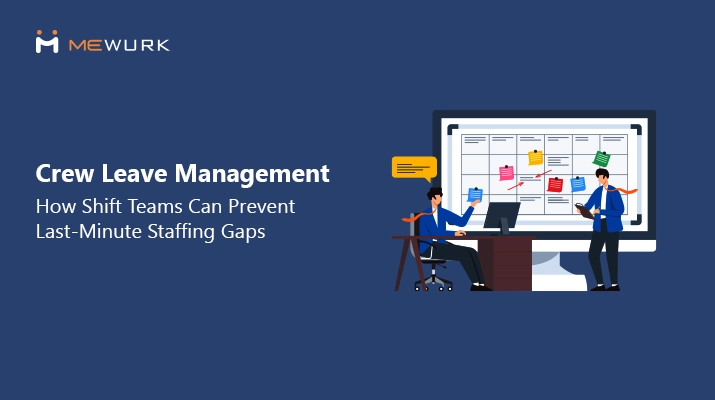
Crew Leave Management: How Shift Teams Can Prevent Last-Minute Staffing Gaps
Many shift teams in India, such as those in factories, construction sites, hotels, and logistics hubs, face serious challenges when it comes to managing leave. There is a layer of unpredictability in every shift because a single absence is enough to throw the whole schedule off.
Intelligent crew leave management is key to handling time off for staff who work odd hours in places like ports or plants where round-the-clock operation is mandatory. In this guide, we will look at why leave is harder to manage for shift-based teams, where most systems fall short, and how a crew leave management system helps prevent last-minute staffing gaps.
What Makes Crew Leave Management Different?
The word crew originally described a group of soldiers or sailors working together to strengthen an army. Today, it refers to teams in industries like shipping, airlines, construction, factories, hotels, and filmmaking. In these jobs, every member’s role is linked, so the whole group must work in sync to get the task done.
What connects most of these crews is shift-based work. Teams rotate across hours, locations, and responsibilities, with strict coverage requirements. As such, the crew leave management is different from office leave. In shift jobs, one absence can mess up the team.
Impact on Work: In a normal office setup, one person’s leave might not hurt the entire team much, but in crews, it can disrupt coverage, overload others, and delay work.
Rules in India: Shift-based teams in India must follow labour laws that regulate their working hours, rest periods, weekly offs, and overtime. Poor crew leave management can lead to compliance issues.
Crew Needs: Crews in industries like construction or logistics, and those working night shifts, need extra attention to manage fatigue.
Basic Rules for Crew Leave Management
There needs to be a healthy balance between personal needs and operational demands when managing crew time off. Both the crew and the management have equal responsibility when it comes to planning leave in a way that works for everyone and keeps shifts covered.
Set Timeline for Leave Request
Instruct the crew to make leave requests at least 7 days before the date when the leave is needed. If the number of days leave needed is high, they should apply even earlier so that you can plan shifts properly or have enough lead time to find coverage and avoid any labour gaps.
Base Leave Approvals on Staffing and Safety Needs
Approvals must be based on minimum manning levels and current project demands. If an employee’s absence would cause the shift to be too short to operate safely, and you can’t find an alternative option to fill that gap, you may politely decline that request to protect the overall service delivery.
Track Leave Clearly and in One Place
To prevent the confusion of verbal promises, it is recommended to use a digital log or shared calendar. This way, everyone can see a clear record of available headcount. Managers can approve new leaves without causing overlapping absences. A dedicated crew leave management software is even better for automating calculations and keeping a real-time audit trail.
How to Handle Emergencies in Crew Leave Management?
Sometimes, life happens, and an employee might need to take an emergency leave. But you are not prepared for it? What to do in such a situation? You have the responsibility to support your employee without interrupting the workflows.
Family Problems
For genuine emergencies, allow 3–5 days of leave where possible. Keep the process simple, and avoid documentation delays. Focus on helping the employee without creating panic on shifts.
Check the Law
Some emergencies fall under legal protections, such as maternity or medical leave. Always check applicable labour laws before deciding, especially when the leave affects hours, pay, or job security.
Find Covers
Maintain a ready list of trained backups or staff who are willing to switch shifts flexibly to fill gaps quickly without overloading others or compromising safety and service quality.
Tools and Reports for Better Crew Leave Management
With the right crew leave management system and reports in place, you can handle crew leave decisions more easily than otherwise. Planning ahead and sensing signs of trouble early on are the keys to successful crew leave management. The right tools and reports equip an HR team for that.
Use Simple, Connected Software
Choose an easy-to-use crew leave management system like Mewurk that helps you connect leave with shift schedules and provides you with a clear view of staff availability. In such systems, visibility helps avoid last-minute coverage issues.
Track the Right Leave Data
Regularly review key leave details such as:
- Leave requests per month.
- Denied leaves and reasons.
- Rest days given.
Looking at these figures makes it easier to see what needs fixing.
Stay Within Legal Limits
Use reports to check working hours, rest days, and leave balances against the labour laws applicable in your specific geographical region. Remember that even accidental violations can lead to penalties, especially given the stricter requirements under the new labour codes (2025) for night shifts, women workers, overtime-heavy teams, and rotational crews.
Conclusion
Managing a round-the-clock crew is tough enough without the constant fear of a no-show. By setting firm timelines for leave requests and ditching the verbal approvals for a digital leave management system, you can smartly protect your shift coverage. We hope this guide helps you plan crew leave with more confidence and control.
FAQ
1. What is crew leave management?
Crew leave management is the process of planning and approving time off for shift-based teams where staffing levels, safety, and coverage must be maintained at all times.
2. Why is leave management harder for shift-based teams?
In a shift-based environment, roles are rightly interdependent. Even a single person’s absence can disrupt the coverage and consequently could either overload others or force them to work overtime, unlike office teams, where work can more easily be redistributed.
3. What to do if too many crew members request leave at the same time?
When you see that multiple leave requests overlap, prioritise the minimum staffing and safety requirements. Politely inform the team that requests beyond coverage limits need to be staggered or rescheduled.
4. How does poor crew leave planning affect payroll and overtime costs?
Unplanned leave in a shift-based work environment is the common reason for extra overtime, last-minute replacements, and payroll errors. When you ignore it unaddressed for a long period of time, it can cause the costs to rise and create disputes over pay and rest days.
5. Is it necessary to switch to software for crew leave management?
Yes, once teams expand or operate across shifts, manual leave management methods will start causing a lot of blind spots. With an integrated crew leave management system, you can bring leave, scheduling, and compliance under a single system.

Most Popular Post

Why Accurate Attendance and Leave Management Matters for Business Growth?
Read More →Why Accurate Attendance and Leave Management Matters for Business Growth?
How To Leverage Attendance Data For Better Workforce Management?
Read More →How To Leverage Attendance Data For Better Workforce Management?